Title: Virtual Bus Stops for Dynamic Public Transport Routing: A Smarter Approach to Urban Mobility
Introduction
Table of Contents
- Introduction
- The Limitations of Traditional Bus Stop Systems
- 1. Inflexible Routes
- 2. Long Waiting Times
- 3. Operational Inefficiency
- 4. Poor Accessibility
- What Are Virtual Bus Stops?
- The Role of an Online Platform
- Key Features of a Virtual Bus Stop Platform
- Passenger Request System
- Dynamic Route Optimization
- Real-Time Bus Tracking
- Virtual Stop Mapping
- Administrative Dashboard
- Technology Behind the System
- Geographic Information Systems (GIS)
- Routing Algorithms
- Cloud Computing
- Mobile and Web Applications
- System Architecture Overview
- Frontend Layer
- Backend Layer
- Data and Integration Layer
- Benefits of Virtual Bus Stop Systems
- Improved Accessibility
- Reduced Travel Time
- Increased Operational Efficiency
- Better Passenger Experience
- Data-Driven Planning
- Real-World Applications
- Smart Cities
- Low-Density Areas
- Campus Transportation
- Event Transportation
- Challenges in Implementation
- Safety Considerations
- Passenger Adoption
- Infrastructure Integration
- Technical Complexity
- The Future of Dynamic Public Transport
- Conclusion
Public transportation remains one of the most important components of urban mobility. In many cities, buses serve as the backbone of daily commuting, transporting millions of passengers to work, school, and other destinations. However, traditional bus systems often rely on fixed routes and predetermined bus stops, which may not always reflect the real needs of commuters.
In rapidly growing urban areas, these rigid systems can lead to inefficient operations. Some bus stops may be overcrowded while others remain underused. Buses may travel along long routes even when there are few passengers waiting. As a result, commuters experience longer travel times, while transport operators face increased operational costs.
One emerging concept that addresses these challenges is the Virtual Bus Stop System for Dynamic Public Transport Routing. This technology-driven approach uses digital platforms, geographic data, and real-time routing to create flexible bus stops that adapt to passenger demand.
In this blog post, we will explore how virtual bus stops work, how an online platform can support dynamic routing, and why this innovation could reshape the future of public transportation systems.
The Limitations of Traditional Bus Stop Systems
Conventional bus transportation systems operate using fixed infrastructure. Bus stops are installed at permanent locations, and buses follow predefined routes and schedules. While this approach has been used successfully for decades, it also presents several limitations.
1. Inflexible Routes
Fixed routes cannot easily adapt to changing passenger demand. Some routes may experience overcrowding, while others may operate with minimal ridership.
2. Long Waiting Times
Passengers may need to walk long distances to reach the nearest bus stop. If the bus schedule is delayed, commuters often have no way of knowing when the next vehicle will arrive.
3. Operational Inefficiency
Buses sometimes travel through areas where no passengers are waiting, wasting fuel and increasing operational costs.
4. Poor Accessibility
Certain communities may not have convenient access to bus stops, particularly in newly developed urban areas.
These challenges have encouraged transportation planners and technology developers to explore more flexible solutions.
What Are Virtual Bus Stops?
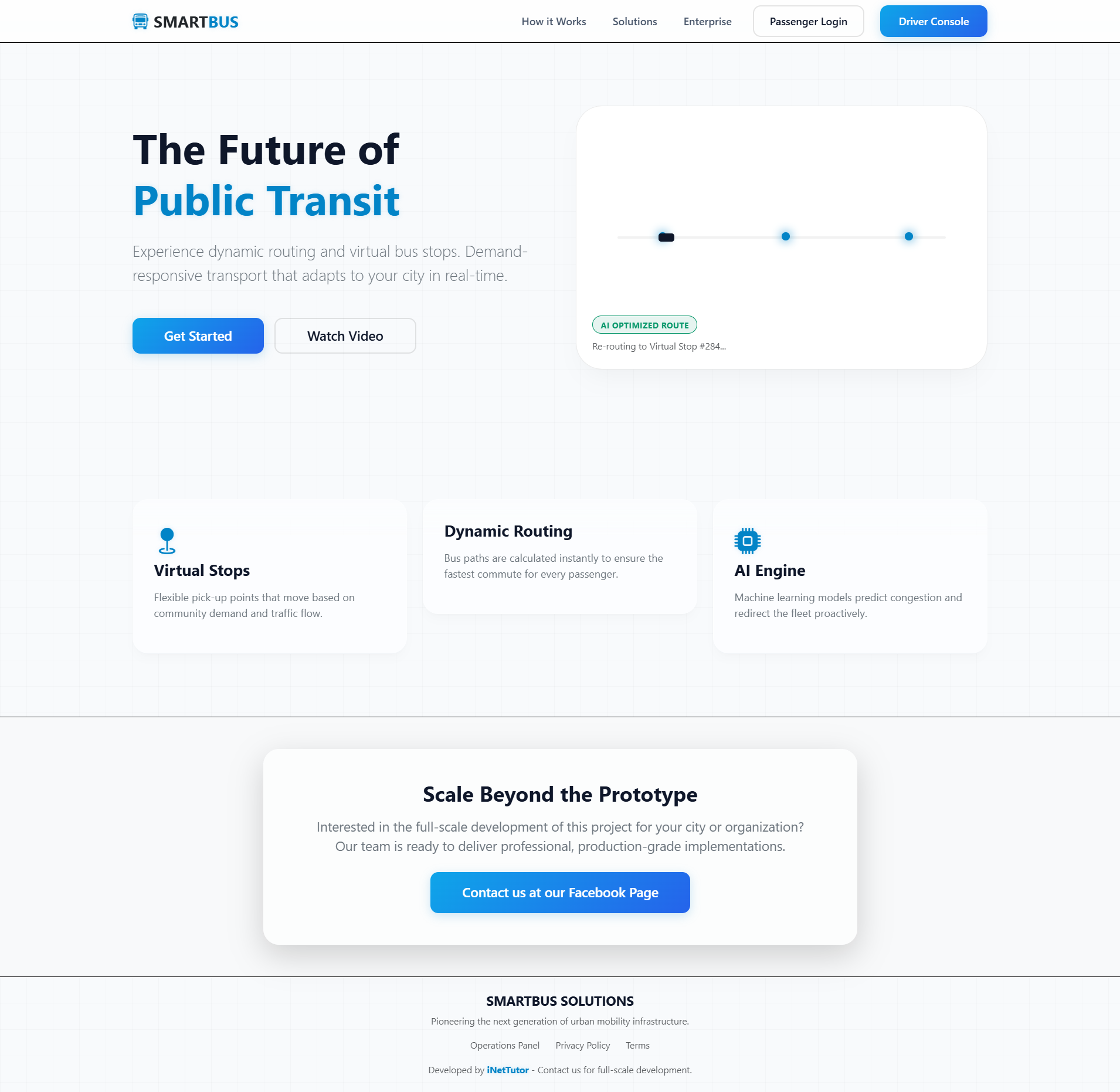
A Virtual Bus Stop is a designated pickup and drop-off point that exists digitally rather than physically. Instead of being permanently installed along a road, virtual stops are dynamically assigned based on passenger demand and location data.
Passengers can request a ride through a mobile or web-based platform. The system then identifies the nearest virtual stop where the passenger can safely board the bus.
These virtual stops are usually placed within a short walking distance from the passenger’s location. Because the stops are flexible, routes can be adjusted in real time to accommodate passenger requests.
This concept combines elements of traditional bus transportation with the flexibility of ride-sharing services.
The Role of an Online Platform
The success of a virtual bus stop system depends heavily on the online platform that supports it. The platform acts as the central hub where passengers, drivers, and transportation administrators interact.
Through this platform, the system can collect passenger requests, calculate optimal routes, and communicate with buses in real time.
The platform typically consists of several components:
- Passenger interface
- Driver interface
- Administrative dashboard
- Routing engine
- Geographic data services
Together, these components create an intelligent public transport system that adapts to real-world conditions.
Key Features of a Virtual Bus Stop Platform
Developing a virtual bus stop system requires several essential features to ensure smooth operation.
Passenger Request System
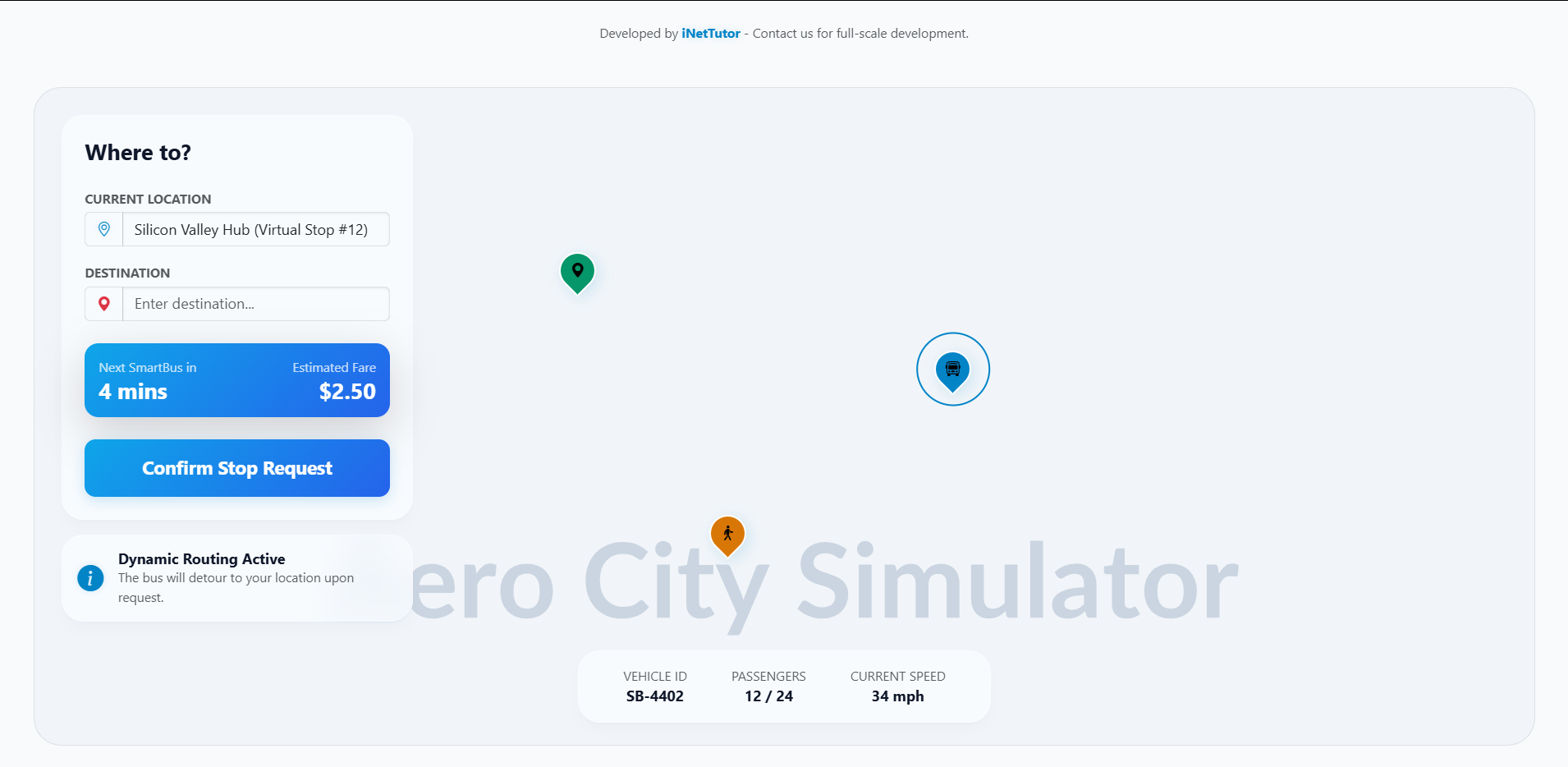
Passengers can request a ride through a mobile application or web interface. They simply enter their pickup and destination locations.
The platform then identifies the nearest virtual stop and provides directions for reaching it.
Dynamic Route Optimization
One of the most important features of the system is dynamic routing.
Instead of following fixed routes, buses adjust their paths based on passenger demand. The system calculates the most efficient route that serves multiple passengers while minimizing travel time.
This optimization process considers factors such as:
- Passenger pickup locations
- Destination points
- Traffic conditions
- Road networks
Real-Time Bus Tracking
Passengers can track the location of their bus in real time using the platform.
This feature improves transparency and reduces uncertainty, allowing passengers to know exactly when their bus will arrive.
Virtual Stop Mapping
The platform uses geographic information to generate safe and accessible virtual stops.
These stops may be located near intersections, sidewalks, or designated pickup zones where buses can safely stop.
Administrative Dashboard
Transport administrators require tools to monitor system performance.
The dashboard typically provides insights such as:
- Passenger demand patterns
- Route efficiency
- Vehicle utilization
- Peak travel times
These insights help transportation agencies improve service planning.
Technology Behind the System
Developing a virtual bus stop platform involves combining several modern technologies.
Geographic Information Systems (GIS)
GIS technology allows the system to map passenger locations, road networks, and virtual stops.
It also helps determine safe and convenient pickup points.
Routing Algorithms
Advanced routing algorithms calculate the most efficient paths for buses.
These algorithms consider multiple passengers at once and dynamically adjust routes as new requests are received.
Cloud Computing
Cloud infrastructure enables the system to process large amounts of data and support real-time operations.
It also ensures that the platform remains accessible and scalable as the number of users grows.
Mobile and Web Applications
Passenger and driver interfaces are typically delivered through mobile applications or responsive web platforms.
These interfaces allow users to interact with the system easily and receive real-time updates.
System Architecture Overview
A typical virtual bus stop platform includes three main layers.
Frontend Layer
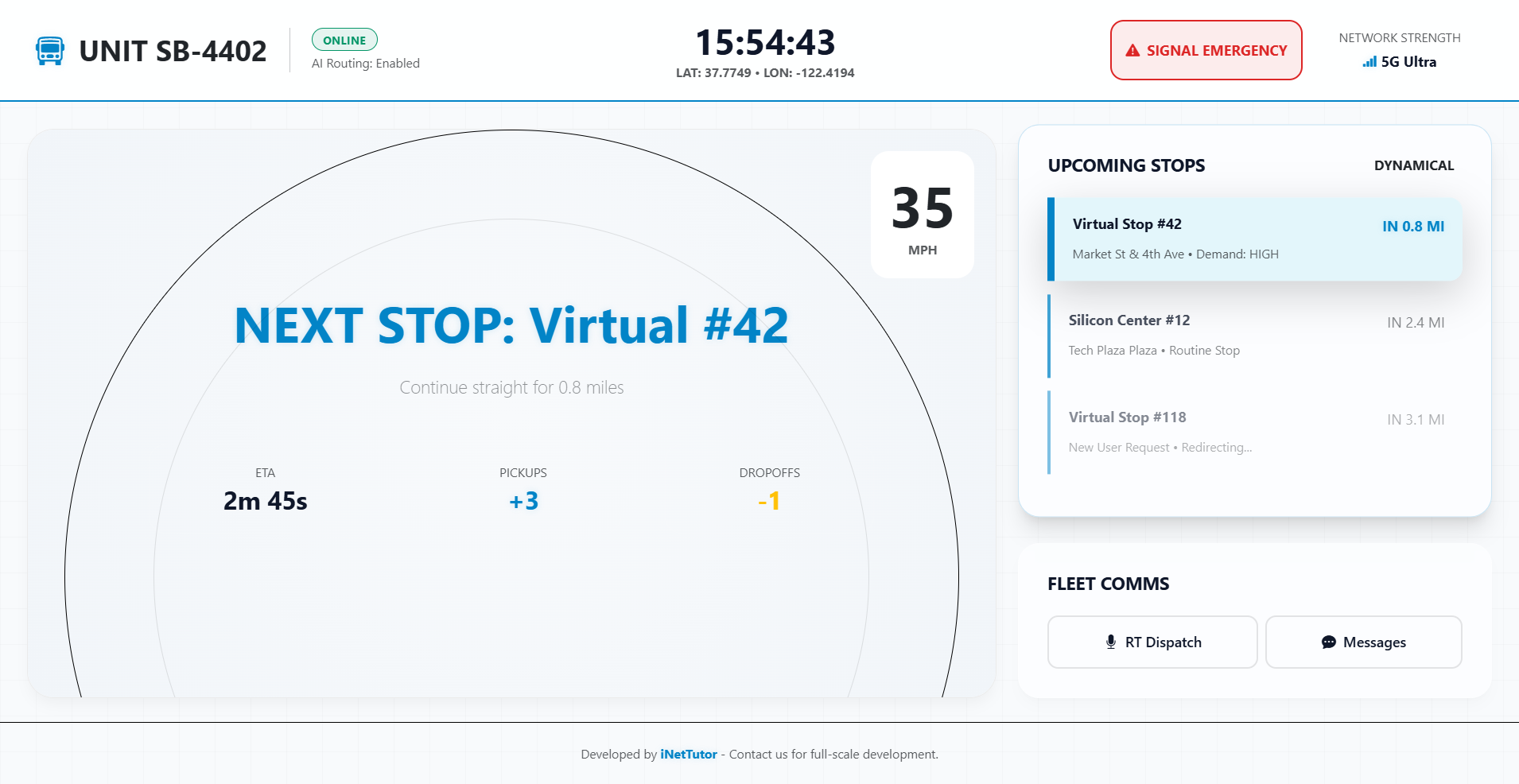
The frontend provides user interfaces for passengers, drivers, and administrators.
It includes mobile apps, web portals, and interactive maps.
Backend Layer
The backend handles system logic, data processing, and communication between components.
It processes passenger requests, calculates routes, and stores operational data.
Data and Integration Layer
This layer integrates GIS data, routing engines, and cloud services.
It ensures that geographic data and system analytics work together efficiently.
Benefits of Virtual Bus Stop Systems
The adoption of virtual bus stop technology offers numerous advantages for both passengers and transport operators.
Improved Accessibility
Passengers no longer need to walk long distances to reach a fixed bus stop. The system identifies a nearby pickup location.
Reduced Travel Time
Dynamic routing allows buses to take more efficient paths, reducing overall travel time.
Increased Operational Efficiency
Transportation operators can deploy buses more effectively, reducing fuel consumption and operational costs.
Better Passenger Experience
Real-time updates and flexible pickup points create a more convenient travel experience.
Data-Driven Planning
Transportation agencies gain access to detailed data about passenger demand and travel patterns.
This information can support long-term urban mobility planning.
Real-World Applications
Virtual bus stop systems are particularly useful in several scenarios.
Smart Cities
Many smart city initiatives aim to modernize public transportation using digital technologies.
Virtual bus stops align well with these goals.
Low-Density Areas
In suburban or rural areas where fixed bus routes are inefficient, virtual stops can provide flexible transportation options.
Campus Transportation
Universities and large campuses can use virtual bus stops to provide flexible shuttle services for students and staff.
Event Transportation
During large events or festivals, virtual stops can temporarily accommodate increased transportation demand.
Challenges in Implementation
Despite its potential benefits, implementing a virtual bus stop system is not without challenges.
Safety Considerations
Virtual stops must be carefully selected to ensure passenger safety and avoid traffic disruptions.
Passenger Adoption
Passengers accustomed to traditional bus stops may initially find the concept unfamiliar.
Proper education and user-friendly interfaces are necessary.
Infrastructure Integration
The system must integrate with existing transportation infrastructure and policies.
Technical Complexity
Dynamic routing algorithms and real-time data processing require advanced technical expertise.
The Future of Dynamic Public Transport
As cities continue to grow, transportation systems must evolve to meet changing demands. Virtual bus stop technology represents a promising step toward more flexible and efficient urban mobility.
In the future, this concept could be combined with additional innovations such as:
- Artificial intelligence for predictive demand analysis
- Autonomous buses
- Integrated smart city transportation networks
- Internet of Things (IoT) sensors for traffic monitoring
These technologies will further enhance the efficiency and sustainability of public transportation.
Conclusion
Traditional public transportation systems have served cities for many years, but modern urban environments require more flexible and responsive solutions.
A Virtual Bus Stop System for Dynamic Public Transport Routing offers a practical way to improve accessibility, efficiency, and passenger convenience. By leveraging geographic data, routing algorithms, and real-time communication, an online platform can transform how buses operate within a city.
For transportation agencies, technology developers, and urban planners, this innovation presents an opportunity to build smarter mobility systems that adapt to the needs of modern commuters.
As digital infrastructure continues to expand, virtual bus stops may soon become an integral part of the next generation of intelligent transportation networks.
You may visit our Facebook page for more information, inquiries, and comments. Please subscribe also to our YouTube Channel to receive free capstone projects resources and computer programming tutorials.
Hire our team to do the project.