Smart Parking Slot Reservation System: Building an Intelligent Web Platform for Modern Urban Mobility
Table of Contents
- Smart Parking Slot Reservation System: Building an Intelligent Web Platform for Modern Urban Mobility
- The Problem with Traditional Parking Systems
- Concept Overview: What is a Smart Parking Slot Reservation System?
- Core Objectives of the System
- System Architecture Overview
- IoT Sensor Integration
- Backend System Design
- Web-Based Platform Features
- User Features
- Administrator Features
- Reservation Workflow
- Payment Integration (Optional Feature)
- Database Design Considerations
- Real-Time Data Handling
- Security and Data Protection
- Data Analytics and Smart Insights
- Environmental and Urban Benefits
- Challenges in Development
- Sensor Reliability
- Network Connectivity
- Scalability
- User Adoption
- AI Integration Opportunities
- Academic and IT Project Value
- Future Enhancements
- Conclusion
Anyone who has driven in a busy city understands the frustration of finding a parking space. It often feels like a game of chance—circling blocks, checking one full lot after another, wasting time and fuel. In high-density urban areas, parking inefficiency contributes significantly to traffic congestion, fuel consumption, and environmental pollution.
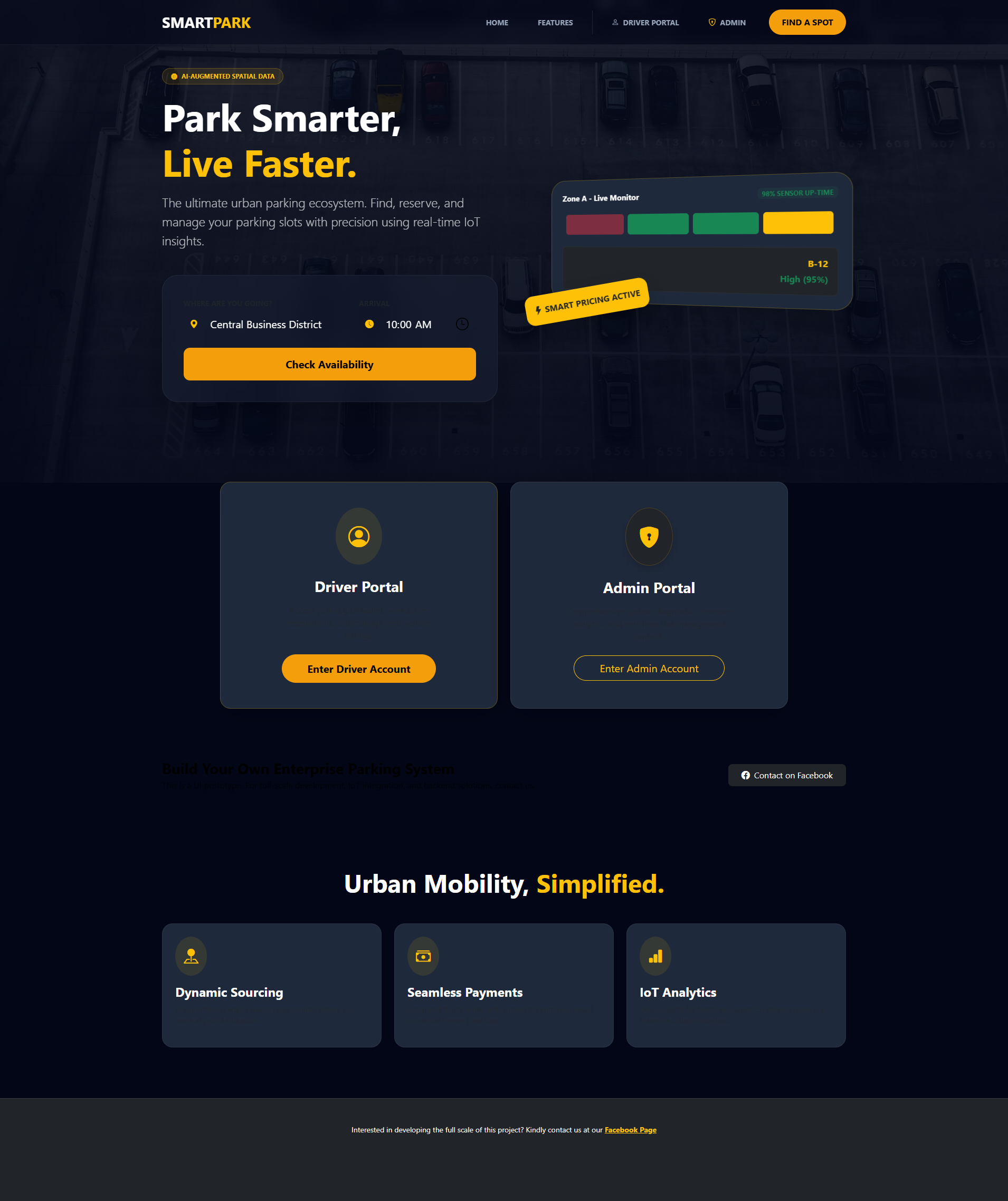
The Smart Parking Slot Reservation System addresses this everyday problem using modern IT solutions. By integrating IoT sensors, real-time monitoring, and a web-based reservation platform, this system allows drivers to locate, reserve, and manage parking slots in advance.
This is not just about convenience. It is about optimizing urban mobility through intelligent software design. From a development perspective, this platform combines web technologies, database architecture, sensor integration, and automation logic into a unified system.
The Problem with Traditional Parking Systems
Conventional parking operates on a first-come, first-served basis. Drivers enter a facility without knowing whether spaces are available. In many cases:
- Parking areas lack real-time occupancy tracking.
- Drivers waste time searching for vacant slots.
- Traffic congestion increases around commercial centers.
- Manual ticketing systems slow entry and exit.
- There is limited data for planning and analysis.
As cities grow, these inefficiencies become more pronounced. A digital solution is no longer optional—it is necessary.
Concept Overview: What is a Smart Parking Slot Reservation System?
A Smart Parking Slot Reservation System is an online platform that:
- Monitors parking slot availability in real time.
- Allows users to reserve slots before arrival.
- Automates entry and exit processes.
- Provides administrative tools for facility managers.
- Generates analytics for operational improvement.
The system connects physical parking infrastructure with a centralized web application. Through this integration, parking becomes predictable and efficient.
Core Objectives of the System
The platform is designed to:
- Reduce parking search time.
- Improve traffic flow in urban areas.
- Provide real-time parking availability updates.
- Enable advance slot reservations.
- Offer automated billing and reporting.
- Enhance user convenience and operational efficiency.
These objectives align with broader smart city initiatives and sustainable urban planning.
System Architecture Overview
The Smart Parking System typically consists of three main layers:
- IoT Sensor Layer
- Backend Processing Layer
- Web-Based User Interface
Each layer must function reliably for the system to operate effectively.
IoT Sensor Integration
At the physical level, parking slots are equipped with sensors such as:
- Ultrasonic sensors
- Infrared sensors
- Magnetic vehicle detectors
These sensors detect whether a slot is occupied or vacant.
When a vehicle enters or exits a space, the sensor updates the system in real time. A microcontroller unit processes this signal and sends the data to the server via:
- Wi-Fi
- GSM
- LoRa
- Ethernet
This creates a live map of parking availability.
Backend System Design
The backend acts as the system’s brain. It processes incoming sensor data, manages reservations, and enforces business logic.
Technologies commonly used include:
- PHP (native or MVC architecture)
- Node.js
- Python-based frameworks
- MySQL or PostgreSQL for database storage
- RESTful APIs for communication
The backend handles:
- User authentication
- Slot availability updates
- Reservation management
- Payment processing (optional integration)
- Notification services
- Administrative reporting
Proper backend structuring ensures scalability and performance under heavy traffic conditions.
Web-Based Platform Features
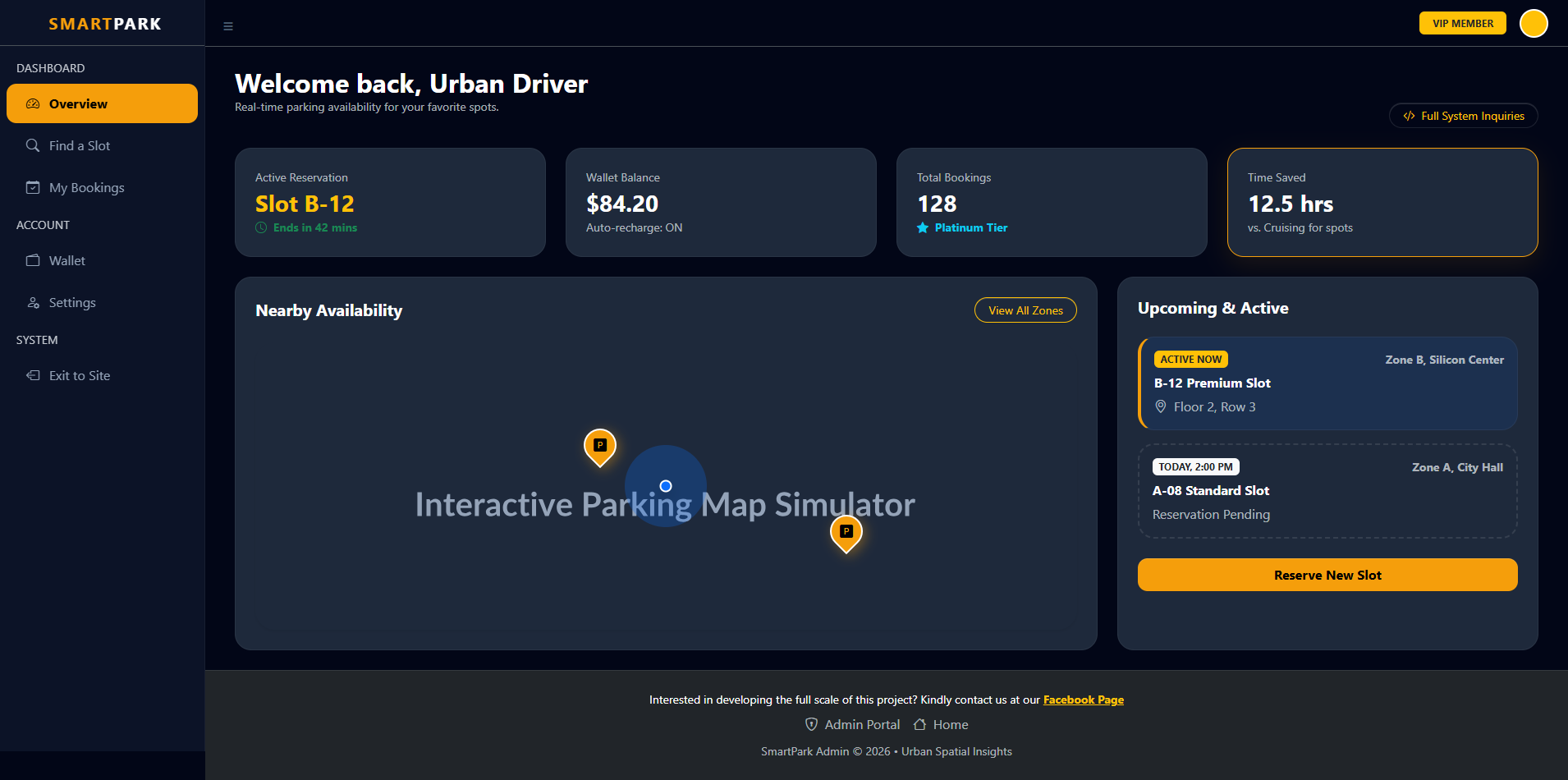
The web application serves both drivers and administrators.
User Features
Drivers can:
- Register and log in securely.
- View real-time parking maps.
- Check slot availability.
- Reserve specific slots.
- Cancel or modify reservations.
- View booking history.
- Receive confirmation notifications.
The interface should be responsive and mobile-friendly, as many users will access the platform through smartphones.
Administrator Features
Parking facility managers can:
- Monitor occupancy rates.
- View active reservations.
- Configure pricing models.
- Generate usage reports.
- Manage parking zones.
- Review transaction logs.
This dual-interface design ensures operational control and transparency.
Reservation Workflow
A typical reservation process follows these steps:
- User logs into the platform.
- User selects a parking location.
- The system displays available slots in real time.
- User selects a desired time slot and confirms booking.
- System temporarily locks the slot.
- Confirmation notification is sent.
- On arrival, the system verifies reservation and grants entry.
Automation can be enhanced using QR codes or RFID-based access systems.
Payment Integration (Optional Feature)
Advanced versions of the system may integrate payment gateways to support:
- Hourly billing
- Subscription plans
- Dynamic pricing during peak hours
- Online prepayment
Secure payment processing requires:
- SSL encryption
- Tokenized transactions
- PCI compliance (if handling card payments)
Payment automation improves user experience and reduces manual handling.
Database Design Considerations
A structured database design is essential for maintaining accurate records.
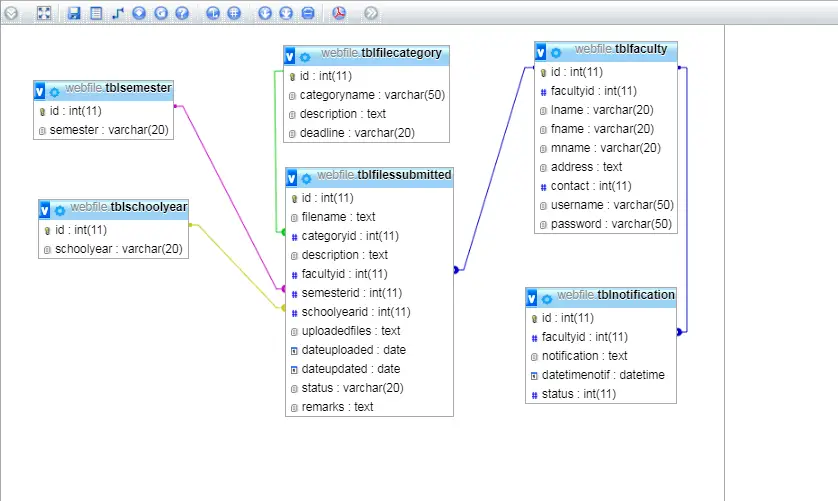
Key tables may include:
- Users
- ParkingLocations
- ParkingSlots
- Reservations
- Payments
- SensorLogs
- AccessLogs
Relationships between these entities must be normalized to ensure data integrity.
Indexing frequently queried columns—such as slot status and reservation times—improves performance.
Real-Time Data Handling
Real-time updates are critical in parking systems.
Technologies that support real-time functionality include:
- AJAX polling
- WebSockets
- Push notification services
Without real-time updates, users may attempt to reserve already-occupied slots, reducing trust in the system.
Security and Data Protection
Since the platform handles user data and potentially financial transactions, security must be prioritized.
Security measures include:
- Password hashing (bcrypt or similar)
- Role-based access control
- SQL injection prevention
- Cross-site scripting (XSS) protection
- Secure API endpoints
- Encrypted communication channels
Access logs help detect unauthorized attempts or unusual behavior.
Data Analytics and Smart Insights
Beyond reservation management, the platform can generate valuable insights.
Analytics can provide:
- Peak parking hours
- Average occupancy rates
- User behavior trends
- Revenue analysis
- Zone-specific utilization rates
These insights assist facility owners in optimizing operations and pricing strategies.
Environmental and Urban Benefits
The impact of a smart parking system extends beyond convenience.
Benefits include:
- Reduced traffic congestion
- Lower fuel consumption
- Decreased carbon emissions
- Improved urban traffic flow
- Enhanced driver satisfaction
Studies show that a significant percentage of urban traffic consists of drivers searching for parking. Reducing this behavior improves overall mobility.
Challenges in Development
Despite its benefits, implementing a smart parking platform involves several technical challenges.
Sensor Reliability
Sensors must operate accurately in varying environmental conditions such as:
- Extreme heat
- Heavy rain
- Dust accumulation
Regular maintenance is necessary.
Network Connectivity
Parking areas—especially underground facilities—may experience weak network signals.
Possible solutions include:
- Signal repeaters
- Wired connections
- Edge computing modules
Scalability
As the system expands to multiple locations, it must handle:
- Increased data volume
- Simultaneous user sessions
- Higher server load
Cloud infrastructure provides scalability and load balancing.
User Adoption
Users must trust that reserved slots will be available upon arrival. Clear communication and reliable enforcement mechanisms are essential.
AI Integration Opportunities
Advanced systems can integrate artificial intelligence to:
- Predict peak parking demand.
- Suggest optimal pricing models.
- Recommend alternative nearby parking areas.
- Detect abnormal usage patterns.
- Forecast occupancy trends.
Machine learning models can analyze historical data to improve system efficiency over time.
Academic and IT Project Value
From a development perspective, this project integrates multiple IT domains:
- IoT sensor integration
- Backend application development
- Database architecture
- API communication
- Frontend UI/UX design
- Real-time system implementation
- Security engineering
It serves as a strong capstone project or prototype for smart city initiatives.
Students can demonstrate practical application of both hardware and software integration.
Future Enhancements
The Smart Parking System can evolve through:
- Mobile application deployment
- License plate recognition (LPR)
- Automated barrier gate control
- Integration with navigation apps
- Smart city traffic systems
- EV charging station management
These additions would further modernize urban infrastructure.
Conclusion
The Smart Parking Slot Reservation System is a practical and impactful IT solution addressing a common urban challenge. By integrating IoT sensors, real-time data processing, and a web-based reservation platform, the system transforms parking from a frustrating guessing game into a predictable, efficient process.
From a software engineering standpoint, the platform demonstrates how backend logic, database management, user interface design, and hardware communication can work together seamlessly. From a societal perspective, it contributes to smarter cities, reduced congestion, and improved environmental sustainability.
In an era where urban efficiency is increasingly important, intelligent parking solutions are no longer futuristic concepts—they are necessary innovations. This project exemplifies how technology can solve real-world problems through thoughtful system design and practical implementation.
You may visit our Facebook page for more information, inquiries, and comments. Please subscribe also to our YouTube Channel to receive free capstone projects resources and computer programming tutorials.
Hire our team to do the project.